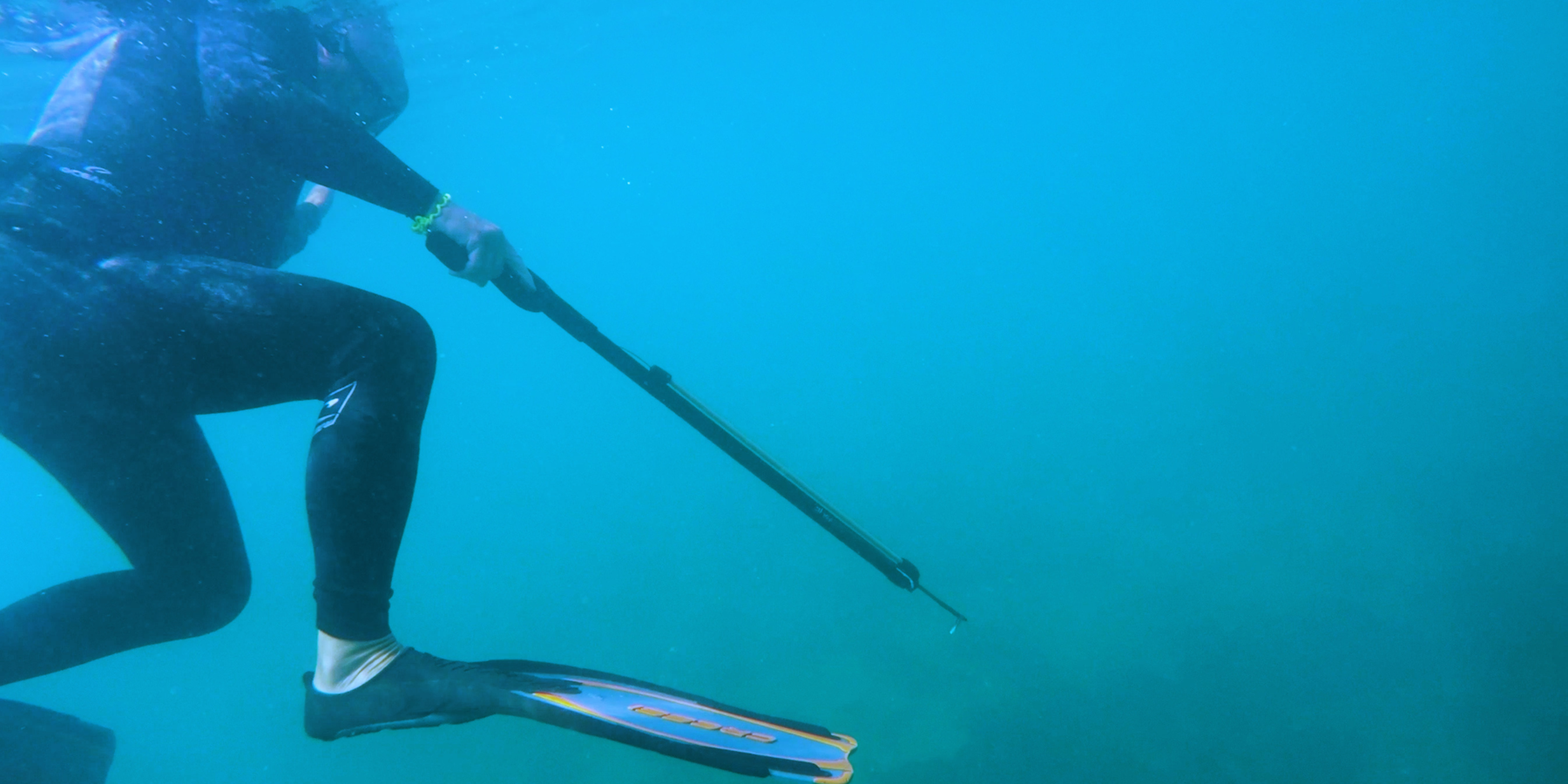
If you’re a fishing enthusiast or an underwater adventurer, you might be curious about spearfishing in the Spanish Virgin Islands. The islands are famous for their crystal-clear waters, vibrant coral reefs, and abundant marine life. But before you grab your spear gun and dive in, it’s important to understand the rules and regulations surrounding this activity. This guide will explain everything you need to know about spearfishing in this tropical paradise.
Understanding Spearfishing
Spearfishing is a fishing technique, which is as an activity where a person catches fish in water by means of a spear or a specialized spear gun. It is perceived to be a more sustainable method of fishing as compared to the other methods of fishing since a diver can specifically fish the fish and avoid bycatch. Spearfishing also provides the diver with greater control over the caught as compared to net fishing or line fishing.
This is a skillful and patient task and one that needs an appreciation of the marine environment. Besides this, the legal laws play a very important role in making sure that the marine ecosystem is healthy and the spearfishers are safe.
Overview of the Spanish Virgin Islands
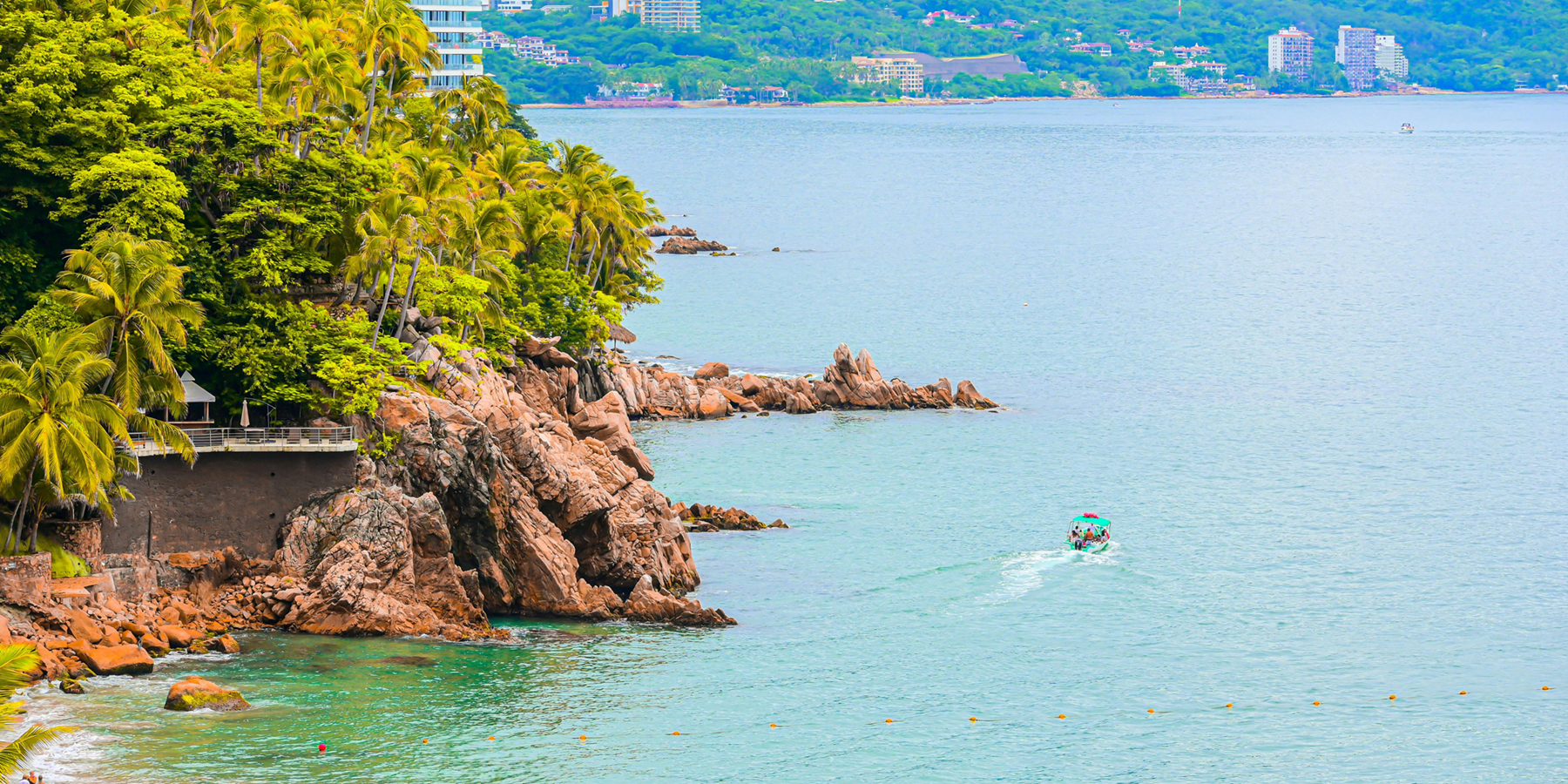
The Puerto Rican Virgin Islands, or the Spanish Virgin Islands, are the islands that are smaller in size, such as Culebra and Vieques. These are the islands that are located in Puerto Rico and are known to be beautiful in terms of beaches, coral reefs, and marine life. The common things to do in the region are snorkeling, scuba diving, kayaking and of course, fishing.
These islands have a large number of fish species such as snapper, grouper, parrotfish among others found in the waters around the islands. This makes the region attractive to spearfishing but on the other hand, it implies that it requires stringent control in order to conserve the delicate marine habitat.
Spearfishing Regulations
In case of spearfishing in the Spanish Virgin Islands, you have to follow certain rules. These regulations are established to make the marine environment sustainable and to safeguard the endangered species.
Licensing and Permits
In order to fish legally in the Spanish Virgin Islands you will need a proper fishing license issued by the Puerto Rico Department of Natural and Environmental Resources (DNER). The license outlines the kind of fishing that can be done including spearfishing.
The licenses may differ in terms of being a resident or a tourist. Tourists will have to get a temporary license, and locals have an option to receive yearly permits. When spearfishing always have your license with you as the authority might request to view your license.
Protected Areas
The Spanish Virgin Islands also have some of the marine reserves that are strictly prohibited against fishing and spearfishing. An illustration is that areas of Vieques and Culebra like the bioluminescent bays and coral reef areas are restricted to spearfishers.
One should always consult local maps and DNER regulations before going out to avoid going fishing in an area that is restricted. Breaking these laws may lead to imposition of huge fines and even equipment seizure.
Size and Catch Limits
Even though spearfishing may be legal in a certain region, it has restrictions on the quantity and size of fish caught. These boundaries are used to prevent the overfishing and enable the population of marine species to flourish.
As an example, the minimum size requirements on some species such as grouper and snapper could exist, and there is a limit to the amount of each species that can be caught in a day. Always ensure that you are conversant with these limits so as to evade legal hassles.
Gear Restrictions
Regulations on the kind of spearfishing equipment that should be used also exist. There can be regions where scuba gear cannot be used with spearfishing and only freediving can be used. Some kind of spear guns or spears may be banned by others. These limits are meant to uphold fairness, safety and sustainability of the water.
Seasonal Considerations
Particular species of fish are regulated when they are in a certain season to enable them to breed. It is illegal to spear fish these species when they are in closed season. As an illustration, in the spawning seasons, laws usually restrict the harvesting of snappers and groupers in order to make sure that the fish stocks are healthy.
Checking the seasonal rules before planning your spearfishing trip is crucial. Local guides, dive shops, and the DNER website are good resources for up-to-date information.
Safety Tips for Spearfishing
Spearfishing can be a thrilling activity, but it comes with risks.
Here are some tips to keep you safe while enjoying your adventure:
Buddy diving: Do not spearfish single-handedly. Presence of a partner means that one has someone to assist him or her in the event of a crisis.
Be aware of the currents: The waters adjacent to the islands may experience strong currents and it should be checked beforehand.
Proper equipment: See that your spear gun, fins, mask, and snorkel are in excellent condition.
Respect marine animals: Do not touch corals or disturb endangered animals. Spearfishing is not supposed to have negative effects on the ecosystem.
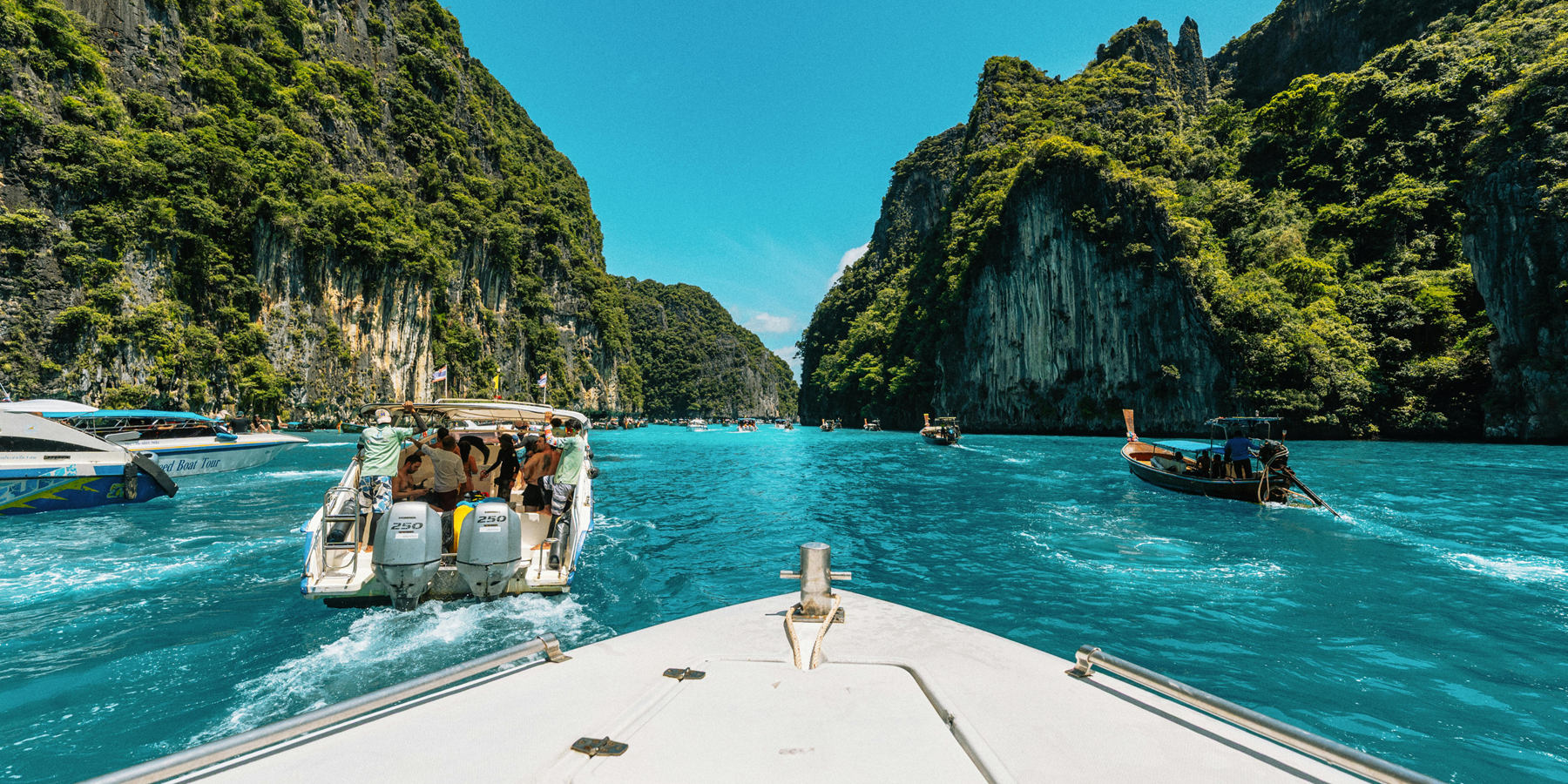
Be alert to boats: The islands are boating venues and you should always be conscious of what goes on around you when you are underwater.
Spearfishing Etiquette
Beyond legal rules, there is also a code of conduct that responsible spearfishers follow:
Kill what you can consume: You should not kill fish that you will not consume.
Be aware of the tourists: Keep off of heavily visited snorkeling and swimming locations.
Be respectful of local communities: It may be that there are local prohibitions or traditions on fishing in a particular area, always be mindful.
Following proper etiquette helps preserve both the environment and the relationship with local communities.
Alternatives to Spearfishing
If you find that spearfishing is not allowed in certain areas, there are other ways to enjoy the waters of the Spanish Virgin Islands:
Snorkeling and diving: Discover the reefs and observe fish in their natural habitat without stealing them.
Catch-and release fishing: Fishing with a rod and reel is a sustainable way to fish.
Underwater photography: It does not need to destroy marine life, it just needs to be photographed.
These activities remain as an exciting underwater adventure but are required to adhere to a local regulation.